
Heat Sinks
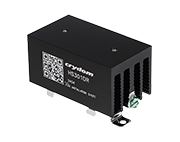
Heat Sinks for Thermal Management and Component Protection
A heat sink is a passive heat exchanger designed to transfer heat generated by an electronic or mechanical device. By regulating operating temperature, heat sinks help prevent overheating, improve performance and extend the service life of sensitive components in industrial and electrical systems.
Heat sinks are commonly mounted on processors, power devices, solid state equipment, and high-powered LEDs or lasers where excess heat buildup can reduce efficiency or cause failure. The heat sink draws thermal energy away from the device and dissipates it into the surrounding air by maximizing surface area contact, allowing heat to move safely away from critical parts.
Galco offers a range of heat sink solutions, including specialized solid state relay heat sinks designed to support reliable switching performance in high-current applications. Proper heat sink selection is especially important in control panels and automation systems where temperature control directly impacts uptime and safety.
Heat sinks are typically made from copper or aluminum. Copper provides high thermal conductivity for rapid heat transfer, while aluminum offers a lightweight and cost-effective option for many applications. Some designs incorporate fans or liquid cooling assistance to further improve heat dissipation by moving hot air away or absorbing thermal energy more efficiently.
Browse our selection of heat sinks to find dependable thermal management solutions for power electronics, industrial controls and high-performance electrical equipment.
Frequently Asked Questions
What is the difference between aluminum and copper heat sinks?
Copper heat sinks offer higher thermal conductivity and faster heat transfer, making them suitable for high-power or space-constrained applications. Aluminum heat sinks are lighter and more cost-effective, and are commonly used where airflow and space allow for efficient cooling.
Do heat sinks require additional cooling such as fans?
In higher-power applications or enclosed control panels, passive heat sinks may be supplemented with forced airflow or liquid cooling. Adding fans helps move hot air away from the heat sink surface, improving overall thermal performance and component protection.
