
Sound Meters
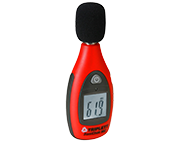
A sound meter, or sound level meter, is a handheld instrument equipped with a microphone that measures ambient noise in an environment. The device converts sound to a voltage value, and the noise level is reported in decibels.
Sound meters are generally used for safety purposes. Occupational noise exposure is standardized by OSHA, and if personnel are exposed to sound exceeding certain thresholds, protective measures or engineering solutions are expected to mitigate exposure.
Sound meters measure the sound level in an environment, and can keep track of minimum and maximum values, respond rapidly or over time, and report with a large degree of accuracy. The measurements are then used to guide adjustments made to the environment, or notify personnel that protective equipment is required.
Types of Sound Meters
Sound meters measure sound levels for workplace, facility, and equipment assessments. They are used when you need consistent readings to compare noise conditions across locations or time.
- Portable sound meters used for walk-through assessments.
- Sound meters intended for repeatable measurement routines and documentation.
- Models designed for maintenance routes and consistent field checks.
For complementary facility assessments, teams may also use light meters and thermometers.
Key Selection Criteria for Sound Meters
- Measurement range and accuracy required for your environment.
- Ease of obtaining repeatable readings across locations.
- Usability and display readability for field work.
- Durability and portability for jobsite conditions.
- Logging and reporting needs for documentation workflows.
Selecting a sound meter aligned to your measurement routine supports consistent comparisons and clearer documentation.
Frequently Asked Questions
When are sound meters used in industrial environments?
Sound meters are commonly used for workplace and facility noise checks and for equipment assessments where consistent noise readings support comparison and documentation. For other facility condition checks, compare light meters.
What should I compare when choosing a sound meter?
Compare measurement range and accuracy first, then consider usability, durability, and whether the tool fits your workflow for repeatable checks. If your workflow includes documented readings over time, compare data acquisition options for logging.
Do I need logging and reporting for sound measurements?
Logging and reporting help when documenting noise conditions over time or across locations. For quick checks, a basic meter may be sufficient. For broader documentation toolkits, compare test equipment.
