
Railroad Testers
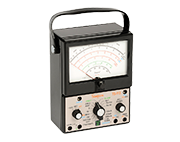
A railroad tester is a multimeter designed specifically for use in railroad signaling and communications testing. Railroad testers measure the signal parameters of railroad coding equipment.
Railroad testers directly measure code parameters like Peak Hold, Peak Follow, Rate, and On Time in any AC or DC range. Testers may include cab filter options to allow measurements for selected cab frequencies without shutting down equipment.
Typical railroad testers are analog to display rapidly changing measurements. They report up to 500 counts per minute and are accurate within 3 percent.
Types of Railroad Testers
Railroad testers support specialized testing and verification tasks in rail-related maintenance environments. These products help technicians select tools aligned to rail applications and service workflows.
- Tools intended for verification checks in rail maintenance scenarios.
- Portable testers designed for field service and inspection routines.
- Instruments selected for repeatable checks where consistency is important.
Key Selection Criteria for Railroad Testers
- The specific test to be performed and the required readings.
- Compatibility with your environment and equipment.
- Portability and durability needs for field use.
- Ease of obtaining repeatable results.
- Any documentation and reporting workflow requirements.
Selecting a tester matched to the workflow helps support consistent verification and more efficient service routines. Depending on the electrical checks involved, teams may also use general electrical instruments such as multimeters or quick-check electrical testers alongside specialized railroad tools.
Frequently Asked Questions
What are railroad testers typically used for?
Railroad testers are used to directly measure signal parameters of railroad coding equipment, such as Peak Hold, Peak Follow, Rate, and On Time, in any AC or DC range. For general electrical troubleshooting that supports many maintenance workflows, technicians often also rely on multimeters for detailed readings or electrical testers for quick verification checks.
What should I compare when choosing railroad testers?
Start by confirming the exact test you need to perform (and what you need the tool to output: pass/fail indication vs. numeric readings). Then compare durability for field conditions, clarity of results, and whether repeatable documentation is part of your workflow. If part of the job involves identifying wiring runs efficiently, a wire tracer may support identification tasks, while cable testers help validate cable integrity and configuration.
How do I select a tester that fits my maintenance workflow?
List the routine checks you perform, where you perform them (trackside vs. shop), and whether you need portable spot checks or repeatable recorded results. If you need broader long-term measurement tracking for troubleshooting intermittent issues, consider whether a logging solution like data acquisition or power monitoring tools is appropriate for your documentation needs.
