
Oscilloscopes
Types of Oscilloscopes
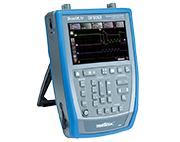
Oscilloscopes display electrical signals over time and support troubleshooting workflows where waveform behavior matters. They are commonly used in electronics diagnostics and signal verification.
- Bench oscilloscopes used for detailed signal analysis and repeatable testing.
- Portable oscilloscopes used for field troubleshooting where mobility matters.
- Oscilloscopes designed for capturing and reviewing signals for documentation.
For general electrical troubleshooting and numeric readings, compare multimeters. For recording measurements over time, compare data acquisition.
Key Selection Criteria for Oscilloscopes
- Bandwidth and sample rate aligned with the signals you need to view.
- Channel count required for your troubleshooting scenarios.
- Triggering features and usability for isolating events.
- Probe compatibility and workflow requirements.
- Data capture, storage, and export needs for documentation.
Selecting an oscilloscope matched to the signal type supports clearer diagnosis and more efficient troubleshooting.
Frequently Asked Questions
What should I compare when choosing an oscilloscope?
Compare bandwidth, sample rate, and channel count first, then evaluate usability, triggering features, and data capture capabilities based on your workflow. For broader troubleshooting toolkits, also review test equipment.
How do bandwidth and sample rate affect troubleshooting?
These specifications influence how accurately the oscilloscope can represent signals over time. Choose values that match the frequency content and behavior of the signals you work with. For spot-check voltage/current readings, compare multimeters.
How many channels do I need?
Choose the number of channels based on how many signals you need to view simultaneously during troubleshooting and verification tasks. If you need to record multiple inputs over time rather than view waveforms live, compare data acquisition.
