
Moisture Meter
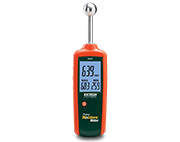
Types of Moisture Meters
Moisture meters support inspection and maintenance workflows by helping detect moisture levels in materials and surfaces. They are used when moisture conditions may impact facility upkeep or equipment environments.
- Moisture meters intended for quick spot checks during inspections.
- Models designed for repeatable measurement routines across multiple locations.
- Moisture meters suited for specific field work and maintenance routes.
Key Selection Criteria for Moisture Meters
- Measurement method and suitability for the materials you test.
- Repeatability and ease of obtaining consistent readings.
- Display clarity and ease of interpreting results.
- Portability, durability, and power requirements.
- Any workflow needs for documentation or reporting.
Selecting a moisture meter that matches the materials and inspection workflow supports more consistent assessments. For related inspection workflows, teams often pair moisture readings with visual inspection tools like borescopes or temperature verification using thermometers.
Frequently Asked Questions
What is a moisture meter used for in maintenance work?
Moisture meters are used to assess moisture conditions in materials and surfaces during inspections, troubleshooting, and maintenance workflows where moisture may affect performance or upkeep. If you're documenting inspection findings, pairing moisture checks with photos or visual confirmation using borescopes can help support maintenance records.
How do I compare moisture meter methods and features?
Compare suitability for the materials you test first, then evaluate repeatability, usability, and whether the meter supports the way you document and repeat inspections. If moisture concerns are related to temperature swings or condensation risk, cross-checking with thermometers can provide additional context.
When is documentation important for moisture readings?
Documentation is helpful when you track conditions over time, compare multiple locations, or need records to support maintenance decisions and follow-up checks. For broader inspection documentation workflows, teams may also use thermal imaging cameras to identify related hot/cold spots that can correlate with moisture conditions depending on the application.
