
Electrical Testers
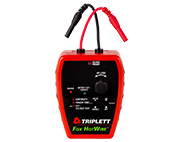
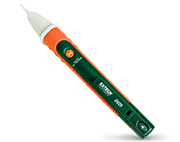
Electrical testers are troubleshooting tools designed to test the presence of voltage, detect continuity, measure current, and identify motor phase rotation.
Testers are available in several variations. Contact and non-contact voltage testers are pen-like devices that detect and indicate the presence of voltage with light and sound. Current testers use clamp or jaw configurations to wrap around a cable and measure current at that point in the circuit. Continuity testers use probes to isolate a component and detect a complete path.
Electrical testers are often handheld and field-ready, built with a rugged housing that can withstand frequent use.
Types of Electrical Testers
Electrical testers support verification tasks during installation, troubleshooting, and maintenance. They are often used for quick checks when detailed measurement values are not required.
- Basic electrical testers are designed for fast verification checks.
- Testers intended for repeated service workflows with clear results.
- Portable testers designed for field use and routine maintenance checks.
When you need numeric readings (voltage/current/resistance), compare multimeters. For three-phase installation checks, compare phase rotation testers.
Key Selection Criteria for Electrical Testers
- The specific checks you need to perform most often.
- Compatibility with your working environment and typical systems.
- Ease of use, display clarity, and handling in the field.
- Durability and portability for jobsite conditions.
- Any additional functions required beyond basic verification.
Selecting a tester that matches your workflow helps improve efficiency during installation and troubleshooting.
Frequently Asked Questions
When should I use an electrical tester instead of a multimeter?
Use an electrical tester for quick verification checks when you do not need detailed measurement values. Use a multimeter when you need numeric readings for voltage, current, or resistance.
What features matter most for field use?
Prioritize ease of use, clear results, durability, and portability. If you work in repetitive service routines, consistent operation and readable output are especially important. For documenting electrical behavior over time, review power monitoring.
How do I choose a tester for my typical checks?
List the checks you perform most often, then compare testers based on compatibility, usability, and the features needed to complete those checks reliably. If installation verification involves phase sequence, compare phase rotation testers.
