
Distance Meters
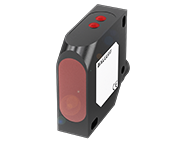
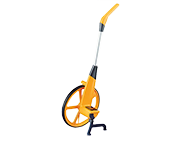
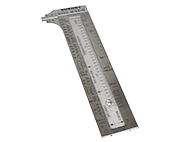
A distance meter is a handheld tool that uses a laser to take distance measurements. Laser technology greatly improves measurement accuracy, with a tolerance of up to 1 millimeter at distances up to 100 meters (330 feet). They also greatly improve ease of measurement with simple point-and-shoot operations. Measurements can be made as rapidly as needed with just one technician.
Distance meters often include a memory function that allows the operator to record measurements onto the device and recall the data later for analysis. Additional features can include compass and edge-sensing functions, as well as the ability to perform quick calculations for area and volume.
Types of Distance Meters
Distance meters provide quick measurements for layout, installation, and inspection tasks. They are commonly used when a tape measure is impractical or when repeated measurements are needed.
- Compact distance meters designed for portable jobsite use.
- Distance meters with measurement modes that support area and volume calculations.
- Models intended for longer measurement ranges or repeated workflows.
For documentation-oriented inspection workflows, teams may pair measurements with thermal imaging cameras or general verification tools in test equipment.
Key Selection Criteria for Distance Meters
- Measurement range and accuracy suitable for your typical distances.
- Readability and ease of use in the environments where you measure.
- Durability and portability for field work.
- Measurement modes needed for your workflows, including indirect measurement where applicable.
- Power and battery considerations for repeated use.
Selecting a distance meter that matches the job requirements helps reduce rework and improve the accuracy and consistency of measurement.
Frequently Asked Questions
What should I compare when choosing a distance meter?
Start with measurement range and accuracy, then compare usability factors such as readability, durability, and any measurement modes that match your typical tasks. For broader inspection workflows, you may also review test equipment.
How accurate do distance meters need to be for industrial work?
Accuracy needs depend on the task. For general layout and installation, moderate accuracy may be sufficient, while tighter tolerances require models with higher accuracy specifications. If your work includes documented verification steps, compare whether your process uses logging tools like data acquisition.
When are additional measurement modes helpful?
Additional modes are helpful when you frequently calculate area or volume, or when direct measurement is difficult and indirect measurement features can support the workflow. For complementary environmental verification, consider thermometers if temperature affects your installation conditions.
