
Voltage Detection
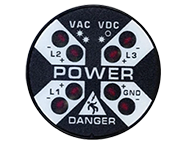
A voltage detector, also known as a voltage tester or test light, is an electronic testing device used to determine the presence of electricity in a conductor.
Voltage detectors can be both handheld or built into a circuit, depending on the application requirement. Handheld detectors often resemble pens or flashlights, and are usually used for routine testing where efficiency is valued. Permanent detectors are hardwired into a control circuit and are used for safety purposes. If a machine is still drawing power when it shouldn't be, for example, an inline detector can alert operators.
Built-in detectors offer the most flexibility in the voltage threshold required for detection, the maximum voltage the equipment can measure, and their integration into control systems, like how far away from a machine they can be.
Types of Voltage Detection Devices
Voltage detection devices are used to verify the presence or absence of electrical voltage as part of safety checks and maintenance workflows. They help reduce risk before troubleshooting, lockout/tagout steps, or service work begins.
For related verification and troubleshooting tools used during electrical safety checks, browse Test & Measurement products.
- Non-contact voltage indicators for quick screening checks where direct contact is not required.
- Contact-style voltage detectors for direct verification on accessible conductors and terminals.
- Voltage presence indicators designed for panel or equipment integration where continuous indication is useful.
For related safety procedures during service work, review Lockout/Tagout. For hazard communication and site marking, compare Signs & Signage.
Key Selection Criteria for Voltage Detection
- Voltage range and system type (AC/DC) required for your equipment.
- Detection method (contact vs non-contact) and the level of verification needed.
- Safety ratings and suitability for the working environment.
- Form factor and usability (display/indicator visibility, ergonomics, portability).
- Installation needs if the device is intended for panel/equipment mounting.
Selecting a voltage detection device that matches your verification workflow helps support safer maintenance and clearer go/no-go checks.
Frequently Asked Questions
What are voltage detection devices used for?
They are used to verify whether voltage is present before maintenance or troubleshooting begins. For related procedures during service work, review Lockout/Tagout.
What should I compare when selecting a voltage detector?
Start with the voltage range and whether you need AC, DC, or both. Then compare the detection method, usability, and suitability for the environment where checks will be performed.
When does contact vs non-contact detection matter?
Non-contact detection is often used for quick screening, while contact-style detection is used when direct confirmation is required on accessible conductors or terminals. Select the method that fits your safety procedure and equipment access.
