
Signs & Signage
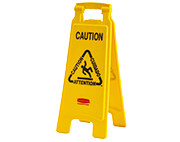
Signs are used to indicate events and display information. Using a combination of clear text and universal symbols, signage will notify personnel about key points of interest, safety concerns, and the environment.
Signs are best utilized when mounted on the wall or ceiling at the point of interest. Exit signs near exterior doors, fire signs near extinguishers, and hazard signs near machinery, control panels, or junction boxes where moving parts or high voltage are present.
Other signage can be used to indicate restricted areas, high-traffic pathways for lifts or trucks, and key workplace concerns like eye wash stations or company policy.
Types of Safety Signs & Signage
Safety signs and signage support hazard communication, facility marking, and consistent visual reminders across industrial environments. They help reduce confusion, improve awareness, and reinforce site safety practices.
- Warning and hazard signs are used to communicate risk and restricted areas.
- Instructional and informational signage used for procedures and wayfinding.
- Facility marking and reminder signage used to reinforce safe behavior and site standards.
For maintenance safety procedures, compare Lockout/Tagout. For worker protection, review Personal Protection Equipment.
Key Selection Criteria for Safety Signs & Signage
- Purpose and message type (warning, instruction, reminder, restricted access, etc.).
- Placement and visibility needs (distance, lighting, and viewing angle).
- Material durability and suitability for the environment (indoor/outdoor, chemicals, moisture).
- Standardization with facility safety practices and training.
- Quantity and replacement needs for long-term maintenance.
Selecting signage that matches location, durability needs, and site standards helps improve clarity and supports consistent safety communication.
Frequently Asked Questions
What are safety signs and signage used for?
They are used to communicate hazards, instructions, and facility standards to improve awareness and reinforce safety practices.
What should I compare when selecting safety signage?
Compare message type, visibility needs, material durability for the environment, and whether the signage aligns with your facility standards and training.
When should I use signage alongside lockout/tagout or PPE?
Signage supports communication and reinforcement of procedures. Use lockout/tagout for energy isolation, PPE for personal protection, and signage to clearly communicate hazards, restricted access, and required actions.
