
Personal Protection Equipment
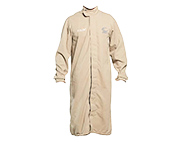
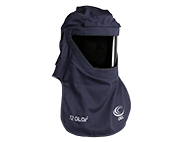
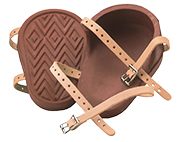
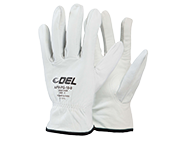
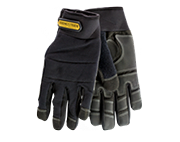
Personal protection equipment, or PPE, refers to the clothes, helmets, garments and other equipment designed to protect the wearer from injury.
The purpose of personal protection equipment is to protect personnel from occupational hazards. Coveralls, hoods and jackets protect wearers from arc flash incidents with flame resistant materials and arcated lenses. Insulating gloves protect wearers from electric shock.
For personal protection equipment to be effective, personnel must wear or utilize the equipment as directed. Failure to properly use the equipment removes the final barrier between the worker and the hazard.
Types of Personal Protection Equipment
Personal protective equipment (PPE) helps reduce exposure to hazards during maintenance, installation, and production work. PPE selection depends on the task, hazard type, and workplace requirements.
- Hand protection used to reduce cut, abrasion, or chemical exposure based on the task.
- Eye and face protection for impact, debris, and splash risks.
- General PPE options selected to match hazard exposure and required protection level.
For hazard communication and facility marking, review Signs & Signage. For maintenance safety procedures, compare Lockout/Tagout.
Key Selection Criteria for Personal Protection Equipment
- Hazard type (cut risk, impact, chemical exposure, debris, etc.) and required protection level.
- Fit, comfort, and dexterity requirements for the task.
- Durability and suitability for the work environment.
- Replacement frequency and availability for consistent stocking.
- Alignment with site safety practices and required training.
Selecting PPE that matches the task and hazard exposure helps improve compliance and reduces risk during routine work.
Frequently Asked Questions
How do I choose PPE for an industrial task?
Start by identifying the hazards involved in the task and select PPE that matches the protection level required. Fit and usability matter, especially for repeated maintenance work.
What should I compare when selecting PPE?
Compare protection level, fit/dexterity, durability for the environment, and how often the PPE will be replaced or restocked.
When should I use signage and lockout/tagout along with PPE?
PPE reduces exposure, but procedures and communication help prevent hazards. Use signage for hazard communication and lockout/tagout for energy isolation during service work.
