
Intrinsically Safe Barriers
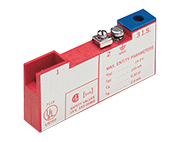
Intrinsically safe barriers are components that prevent instruments and low-voltage circuits from releasing sufficient energy to ignite volatile gases in a hazardous area.
The barrier is designed to separate the control circuit from the field device. A combination of resistors, diodes, and fuses work in tandem to prevent excess voltage and current from reaching the field device under fault conditions.
Intrinsically safe barriers are differentiated by voltage and current ratings, and hazardous location classification.
Types of Intrinsically Safe Barriers
Intrinsically safe barriers are used to limit available electrical energy to help reduce ignition risk when connecting devices into hazardous (classified) areas. Barrier selection depends on the connected device, the signal type, and the required installation approach.
- Barriers used for common control and signal circuits where energy limitation is required.
- Options selected based on channel count and the type of connected instrumentation or signaling.
- Barriers chosen to match wiring, mounting, and system integration requirements.
For related safety products, compare Voltage Detection and site marking solutions under Signs & Signage.
Key Selection Criteria for Intrinsically Safe Barriers
- Area classification and applicable site requirements.
- Connected device requirements and signal type.
- Channel count and wiring approach.
- Mounting method and space constraints.
- Documentation needs for verification and maintenance workflows.
Selecting a barrier that matches the device and hazardous-area requirements supports safer installation and clearer system performance.
Frequently Asked Questions
What are intrinsically safe barriers used for?
They are used to limit electrical energy in hazardous areas to help reduce ignition risk when connecting field devices and circuits.
What should I compare when selecting an intrinsically safe barrier?
Compare area classification needs, connected device requirements, channel count, mounting constraints, and documentation requirements for your workflow.
When does area classification affect barrier selection?
Area classification affects barrier selection whenever equipment is installed in hazardous (classified) environments, because barrier and device requirements must align with the site classification and standards.
