
Power Management
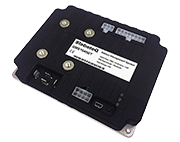

Power Management Equipment for AGV Battery Safety, Charging, and Runtime Optimization
Automated guided vehicle, or AGV, power management systems provide several levels of protection and efficiency. Also called battery management systems, these systems are typically made up of multiple components, including batteries or battery packs, a charging contact system, and a protocol system for interfacing, configuring, and monitoring.
Battery management systems (BMS) help extend battery life, support battery safety, keep batteries within proper operating temperatures, balance cells, and monitor charge level and battery health. This power management oversight helps maintain AGV reliability by reducing the risk of overheating in critical electrical and electronic components, preventing unsafe operation due to low charge, and protecting against imbalance in battery cells.
In AGV and mobile robotics applications, power management equipment also supports predictable operation across shifts. Battery management systems monitor voltage, current, temperature, state of charge, and state of health, while charging systems help ensure vehicles can recharge efficiently through manual charging, opportunity charging, or automated docking. Together, these components help reduce downtime, improve fleet availability, and support safer autonomous movement in manufacturing, warehouse, and distribution environments.
When selecting AGV power management equipment, key considerations include battery chemistry, voltage, current capacity, charging method, runtime requirements, communication protocol, thermal protection, and compatibility with the vehicle control system. Proper selection helps ensure that AGVs maintain reliable power, protect onboard electronics, and operate safely throughout demanding material handling cycles.
Frequently Asked Questions
Why is cell balancing important in AGV battery systems?
Cell balancing helps keep individual battery cells at similar charge levels. Without proper balancing, some cells may become overcharged or over-discharged, which can reduce battery capacity, shorten service life, or create safety risks.
What is opportunity charging?
Opportunity charging is a charging strategy where AGVs recharge during short idle periods, breaks, or scheduled stops instead of waiting for a full charging cycle. This helps extend operating time, reduce manual battery swaps, and keep AGV fleets available during long shifts or high-utilization operations.
What are common AGV charging system issues?
Common issues include worn charging contacts, poor alignment at docking stations, loose wiring, communication faults, overheating, slow charging, and battery imbalance. Regular inspection helps prevent unexpected downtime.