
Relays
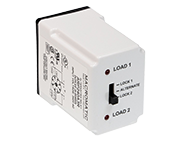
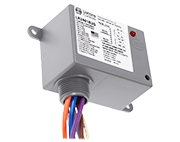
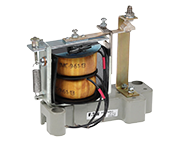
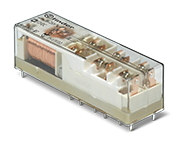
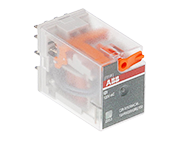
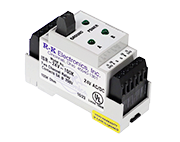
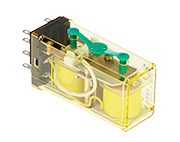
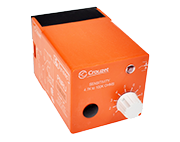
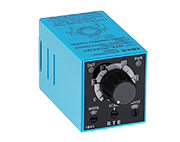
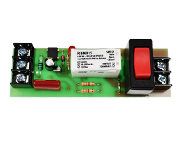
Industrial Relays for Control, Switching, and Automation Systems
Relays are fundamental components in industrial control and automation systems, used to switch electrical circuits, isolate control signals, and enable low-power inputs to control higher-power outputs. They are widely implemented in control panels, machinery, and process systems to manage loads such as motors, pumps, compressors, lighting, and HVAC equipment, ensuring safe and reliable operation across a broad range of applications.
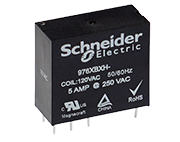
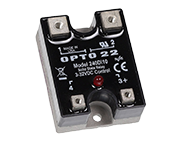
Relay selection is largely driven by the functional requirements of the application. General purpose relays are commonly used for standard control and switching tasks, while time delay relays are applied in systems requiring controlled sequencing, such as motor startup, shutdown delays, or staggered equipment operation. Solid state relays are preferred in high-speed or high-cycle applications due to their fast switching capabilities and lack of mechanical wear. For more specialized use cases, alternating relays are used to balance runtime between multiple loads, field loss relays provide protection for motor-driven systems, and intrinsically safe relays are designed for hazardous environments where safety and compliance are critical.
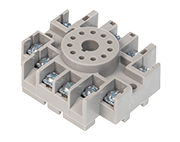
In addition to functional requirements, proper relay selection must account for electrical and installation considerations. Key specifications include coil voltage, contact configuration, current and voltage ratings, switching frequency, and expected service life. Mounting method is also an important factor in control panel design. Track mount relays are widely used for streamlined installation, while plug-in relays paired with relay sockets allow for simplified maintenance and rapid replacement.
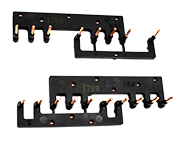
For optimized system performance, it is important to evaluate application requirements alongside available relay types, including general purpose relays, time delay relays, solid state relays, track mount relays, relay sockets, and relay accessories, to ensure compatibility with both control architecture and operating conditions.
Frequently Asked Questions
How does a relay operate within a control circuit?
A relay operates by energizing a coil with a control signal, which creates a magnetic field that actuates internal contacts. These contacts then open or close a separate circuit, allowing control of higher power devices using a lower power input signal.
How is relay lifespan determined?
Relay lifespan is typically defined by mechanical life and electrical life. Mechanical life refers to the number of switching cycles without load, while electrical life accounts for switching under load conditions, which causes contact wear.
What does relay contact configuration mean?
Contact configuration refers to the arrangement and operation of a relay's switching contacts, such as normally open (NO), normally closed (NC), or changeover (SPDT, DPDT). This determines how the relay interacts with the circuit when energized or de-energized and is critical for ensuring proper control logic and circuit behavior.