
Regulators
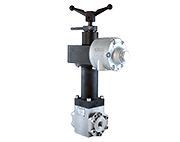
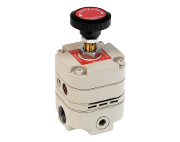
Regulators for Pressure Control in Hydraulic and Pneumatic Systems
Regulators are used to automatically maintain a controlled operating condition, most commonly pressure, within a defined range. In process and instrumentation applications, regulators help stabilize system performance by reducing, controlling, or maintaining pressure for air, gas, liquid, and fluid power systems. By keeping pressure within the required operating limits, regulators help protect equipment, improve process consistency, and support reliable system operation.
In industrial applications, pneumatic regulators are used to control compressed air pressure for actuators, valves, tools, cylinders, and automation equipment. Maintaining consistent air pressure is critical for repeatable motion, accurate control, and safe operation in pneumatic systems. Hydraulic regulators are used in fluid power systems to manage liquid pressure in pumps, cylinders, presses, and other hydraulic equipment where excessive or unstable pressure can cause performance issues or component damage.
When selecting a regulator, key considerations include pressure range, flow capacity, media compatibility, adjustment method, connection size, and operating environment. The regulator must be rated for the system pressure and compatible with the fluid or gas being controlled. In applications requiring local visibility or system feedback, regulators may be used alongside gauges, pressure sensors, or other process and instrumentation devices to monitor performance and verify that pressure remains within the desired range.
Proper regulator selection helps ensure stable pressure control, efficient equipment operation, and improved protection for downstream components. For systems with different media or control requirements, choosing between hydraulic regulators and pneumatic regulators is an important first step in matching the device to the application.
Frequently Asked Questions
How do I know what pressure range my regulator needs?
The regulator should cover the required outlet pressure range while staying within the inlet pressure rating. For best control, the normal operating setpoint should fall comfortably within the regulator's adjustable range rather than at the extreme low or high end.
Can one regulator control pressure for multiple devices?
Yes, but only if the regulator has enough flow capacity and pressure stability for all downstream devices. In systems with different pressure requirements, separate regulators are often used for each branch or device group.
What are common signs that a regulator needs replacement?
Common signs include unstable outlet pressure, pressure creep, visible leaks, slow response, inability to hold setpoint, damaged adjustment mechanisms, or contamination inside the regulator.