
Heat Tracing
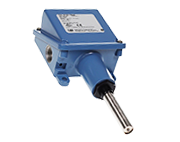
Heat Tracing Systems for Freeze Protection and Temperature Maintenance
Heat tracing is used to maintain or regulate the temperature of pipes, tanks, vessels, and exposed surfaces in industrial, commercial, and outdoor environments. These systems use electric heating cable installed along a pipe or surface to replace heat loss, prevent freezing, maintain product flow, or keep materials within a required temperature range.
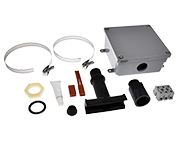
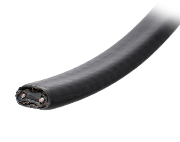
In practical applications, heat tracing is commonly used for pipe freeze protection, process temperature maintenance, fluid transfer lines, storage vessels, roofs, gutters, ramps, and outdoor equipment exposed to low temperatures. Heating cable is the primary heat source in these systems, while connection kits are used to create secure power connections, splices, and terminations. Proper installation is critical because heat tracing systems must withstand moisture, temperature changes, mechanical stress, and exposure to harsh operating environments.
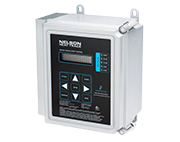
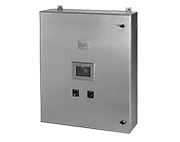
A complete heat tracing system often includes thermostats, controllers, and monitors to improve performance and energy efficiency. Thermostats activate the system based on temperature conditions, while controllers provide more advanced regulation for maintaining specific process temperatures. Monitors help verify system status, detect faults, and alert operators to issues such as power loss or cable failure. When these components are properly selected and installed, heat tracing systems help reduce downtime, protect equipment, and maintain reliable process operation.
When selecting heat tracing equipment, key considerations include pipe size, insulation type, ambient temperature, required maintain temperature, exposure conditions, and electrical requirements. The type of heating cable, control method, and connection hardware should all be matched to the application to ensure safe, efficient, and long-term performance.
Frequently Asked Questions
How do I determine the required wattage for a heat tracing system?
Required wattage is based on heat loss calculations, which consider pipe size, insulation thickness, maintain temperature, minimum ambient temperature, and exposure conditions. The heating cable should provide enough output to replace expected heat loss without exceeding safe operating limits.
What factors can cause heat tracing systems to fail?
Common causes include damaged heating cable, improper installation, failed connections, missing or damaged insulation, incorrect thermostat settings, moisture intrusion, and lack of monitoring or maintenance.
Can heat tracing be installed on plastic pipe?
Yes, but the heating cable must be suitable for plastic pipe applications, and temperature limits must be carefully controlled. Plastic pipe has lower thermal conductivity and lower maximum temperature tolerance than metal pipe, so proper cable selection and controls are important.