
Heat Tracing Accessories
Heat Tracing Accessories for Installation, Termination, and System Protection
Heat tracing accessories are used to complete, protect, and maintain electric heat tracing systems in pipe freeze protection and process temperature maintenance applications. These components support proper cable installation, electrical connection, circuit protection, and field identification, helping ensure that heat tracing systems operate safely and reliably in industrial and commercial environments.
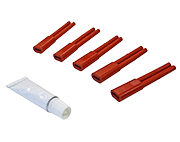
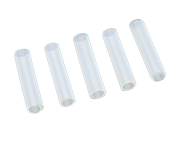
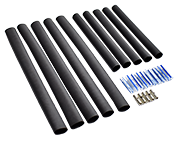
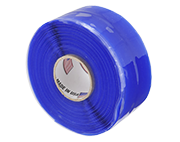
In a typical heat tracing installation, accessories such as splicing kits, molded silicone terminations, and shrinkable terminations are used to connect, extend, and seal heating cable circuits. Proper termination is critical because heat tracing systems are often exposed to moisture, temperature changes, insulation materials, and mechanical stress. Tape is commonly used to secure heating cable to pipes or surfaces before insulation is applied, helping maintain consistent cable placement and heat transfer.
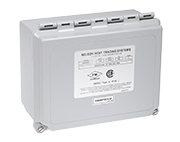
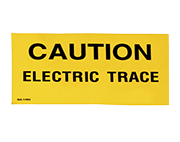
Heat tracing accessories also support system control, safety, and maintenance. Contactors are used to switch heating circuits in response to control signals from thermostats or controllers, especially where higher electrical loads are involved. Warning signs identify heat-traced piping and alert maintenance personnel before insulation removal or service work. When selected and installed correctly, these accessories help improve system durability, reduce electrical failure risk, and support long-term freeze protection or temperature maintenance performance.
When selecting heat tracing accessories, key considerations include heating cable type, voltage rating, environmental exposure, pipe material, temperature range, and installation location. Accessories should be matched to the heat tracing cable and system design to maintain electrical integrity, moisture resistance, and compliance with installation requirements.
Frequently Asked Questions
Can heat tracing accessories be reused after removal?
Some hardware may be reusable if undamaged, but terminations, seals, and splicing components are typically intended for one-time installation. Reusing sealing components can compromise moisture protection and electrical safety.
Why are warning signs required on heat-traced piping?
Warning signs identify that a pipe or surface contains electric heat tracing. This helps maintenance personnel avoid damaging heating cable during service, insulation removal, or pipe work.
What inspections should be performed on heat tracing accessories?
Inspections should check for damaged terminations, loose connections, cracked seals, missing warning labels, degraded tape, moisture intrusion, and signs of overheating. Electrical testing should also be performed according to maintenance procedures.