
Power Supplies
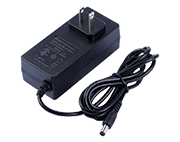
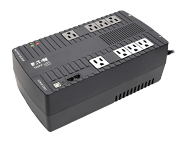
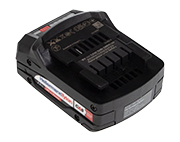
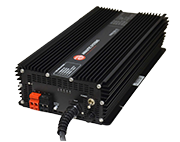
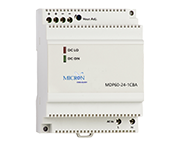
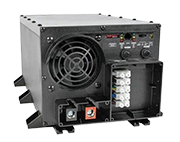
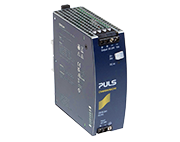
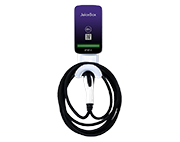
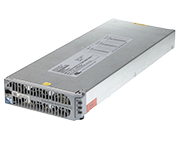
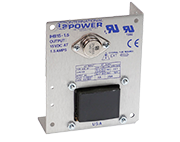
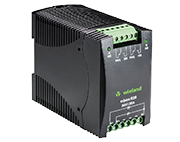
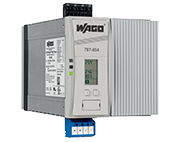
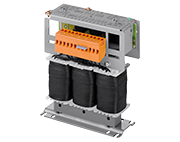
Power Supplies for Conversion, Regulation, and Backup Power
Power supplies are used to convert incoming electrical power into the voltage, current, and output type required by connected equipment. In industrial environments, they support control systems, automation equipment, communications hardware, chargers, and backup power applications where stable and reliable output is essential. Depending on the design, a power supply may convert AC to DC, DC to DC, DC to AC, or provide regulated or uninterruptible power for sensitive loads.
Different power supply types are designed for different operating needs. Some applications use switching power supplies for efficient DC output in compact industrial systems, while others may require DC-DC converters, battery chargers, or uninterruptible power supplies where backup power or battery management is needed. The right solution depends on the source power available, the output required by the load, and whether the application needs conversion, regulation, charging, or ride-through capability during source power loss.
Galco offers power supplies for a wide range of industrial electrical applications, including regulated supplies, chargers, converters, inverters, and UPS systems. Choosing the correct power supply depends on input type, output voltage and current, regulation requirements, mounting style, and the operating conditions of the application. Proper selection helps support reliable equipment performance, protect sensitive electronics, and maintain continuity across power and electrical systems.
Choosing the Right Power Supply for the Application
Selection starts with the relationship between the available source power and the needs of the load. Input type and output requirements must align with the equipment being powered, including voltage, current, output format, and any need for regulated or converted power. Some applications call for a standard AC-to-DC supply for control equipment, while others require battery charging, DC conversion between voltage levels, or backup power that keeps critical devices running during an outage. Understanding whether the application is focused on everyday power conversion, charging, or continuity during power loss is the first step in narrowing the options.
System conditions and reliability expectations should also guide the choice. Industrial environments may require compact DIN-rail-friendly supplies, higher-efficiency designs, or protection against overload and power interruptions. Applications with uptime requirements may benefit from UPS units or redundancy modules, while battery-based systems may need dedicated chargers. Power supplies are often selected alongside related components such as batteries and transformers depending on the broader system design.
Frequently Asked Questions
What is an industrial power supply used for?
An industrial power supply is used to deliver the voltage and current required by connected equipment from an available electrical source. Depending on the design, it may convert power, regulate output, charge batteries, or provide backup power for critical devices and control systems.
How do I choose the right power supply?
Start by matching the input source and the output requirements of the load, including voltage, current, and whether the application needs AC or DC output. Then determine whether the system needs standard conversion, battery charging, voltage conversion, or backup power during a loss of source power.
When do I need a charger or UPS instead of a standard power supply?
A charger is typically needed when the application is built around maintaining or restoring battery capacity, while a UPS is used when equipment must continue operating during an interruption in source power. A standard power supply is usually the better fit when the main goal is converting and regulating power for normal equipment operation.