
Plugs & Receptacles
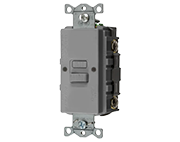
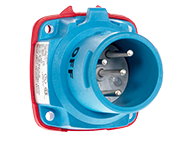
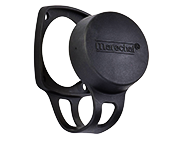
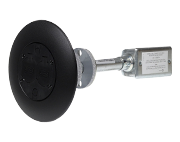
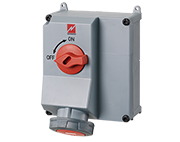
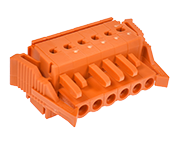
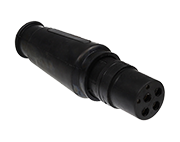
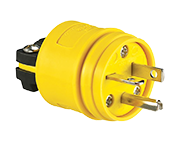
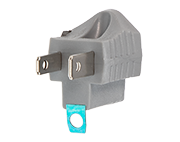
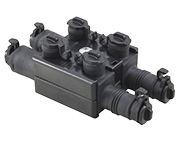
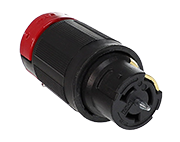
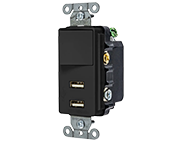
Plugs and Receptacles for Industrial Power Connection and Equipment Access
Plugs and receptacles are used to create safe, repeatable electrical connections between power sources, equipment, and devices in industrial and commercial environments. A male-ended plug is typically attached to the end of a cable, while a female-ended receptacle provides the mating connection point on equipment, panels, or building wiring. Together, they enable power to be connected and disconnected while maintaining proper contact alignment, grounding, and circuit continuity.
Different plug and receptacle types are designed for different electrical and environmental demands. Some applications use standard straight blade designs for general-purpose connections, while others require twist lock devices to help prevent accidental disconnection in areas with vibration or movement. More specialized options, such as pin and sleeve devices, are used where higher current capacity, durability, or environmental resistance is needed. The right choice depends on the electrical rating, configuration, and the application's conditions.
Galco offers plugs and receptacles for a wide range of industrial power and connection needs. Choosing the correct product depends on voltage, amperage, pole and wire configuration, locking method, mounting style, and exposure to dust, moisture, or harsh operating conditions. Proper selection helps support safe power delivery, reduce connection issues, and improve long-term reliability across power and electrical systems.
What to Consider When Selecting Plugs and Receptacles
Selection starts with the electrical requirements of the application. Voltage, amperage, and pole configuration must match the circuit and the equipment being connected, while the plug and receptacle must share a compatible pin or contact arrangement so they mate correctly. It is also important to determine whether the application calls for a general-purpose connection, a locking design for added security, or a heavier-duty device built for more demanding industrial service.
Installation conditions and usage patterns also matter. Equipment that is moved frequently, exposed to vibration, or disconnected regularly may benefit from a locking or more durable connection style. Moisture, dust, washdown, and mechanical abuse can also affect which design is most appropriate. In some systems, plugs and receptacles are used alongside related components such as power strips, power centers, or other distribution hardware depending on how power needs to be delivered and accessed throughout the installation.
Frequently Asked Questions
What is the difference between a plug and a receptacle?
A plug is the male connection device usually attached to a cable, while a receptacle is the female connection point mounted on equipment, a panel, or building wiring. The two are designed to mate together to complete the electrical circuit safely and in the correct orientation.
How do I choose the right industrial plug or receptacle?
Start by matching the voltage, amperage, pole and wire configuration, and connection style required by the application. Then consider whether the environment or usage pattern calls for a straight blade, locking, or heavier-duty industrial design. Mounting style and exposure to dust, moisture, or vibration can also affect the best choice.
When should I use a twist lock or pin and sleeve device instead of a straight blade device?
Twist lock devices are often used when the connection needs added security against vibration or accidental unplugging. Pin and sleeve devices are commonly used in more demanding industrial applications where durability, environmental resistance, or higher current capacity is important. Straight blade devices are typically used for more general-purpose power connections.