
Filters
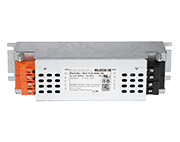
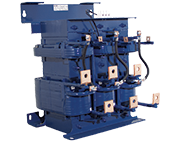
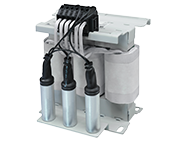
Electronic Filters for Noise Reduction and Power Quality Control
Electronic filters are used to remove or reduce unwanted frequencies, interference, and electrical disturbances in industrial power and signal systems. Depending on the application, they can help suppress electrical noise, reduce harmonic distortion, protect connected equipment, and improve overall system performance. In industrial environments, filters are often used to support cleaner power delivery and more stable operation for sensitive electronics, drives, motors, and control systems.
Different filter types are designed to address different electrical issues. Some are used to reduce electromagnetic or radio frequency interference, while others are selected to help manage harmonics or protect motors and drives from undesirable power conditions. The right filter depends on where the problem exists in the system and what kind of protection or correction is needed. Common solutions include EMI/RFI filters for electrical noise suppression, harmonic mitigation filters for reducing distortion, and motor protection filters for applications involving variable frequency drives and motor leads.
Galco offers electronic filters for a range of industrial electrical applications where power quality, interference control, and equipment protection are important. Choosing the correct filter depends on the type of disturbance being addressed, the equipment in the system, and where in the circuit the filter will be installed. Proper selection helps improve reliability, reduce nuisance issues, and support longer equipment life across power and electrical systems.
What to Consider When Selecting Electronic Filters
Choosing the right electronic filter starts with identifying the electrical problem the filter needs to address. Some applications need to reduce high-frequency noise that can interfere with controls or communication equipment, while others need to limit harmonics, protect motors, or improve overall power quality. Knowing whether the issue involves conducted noise, distortion from nonlinear loads, or voltage stress on connected equipment helps narrow the selection to the right filter type.
System layout and equipment type also matter. Filter selection should take into account the voltage, current, load characteristics, and where the filter will be installed in relation to the power source, drive, motor, or protected equipment. In some applications, it may make sense to compare filter solutions with related components such as line reactors or DC link chokes depending on the type of electrical conditioning needed.
Frequently Asked Questions
What does an electronic filter do in an industrial system?
An electronic filter helps reduce unwanted electrical noise, interference, harmonics, or other disturbances that can affect system performance. It is used to improve power quality, protect equipment, and support more stable operation in industrial electrical applications.
How do I choose the right electronic filter?
Start by identifying the problem the filter needs to solve, such as EMI/RFI noise, harmonic distortion, or motor-related voltage stress. Then match the filter to the system voltage, current, equipment type, and installation point so it addresses the issue effectively.
What is the difference between EMI/RFI filters, harmonic mitigation filters, and motor protection filters?
EMI/RFI filters are used to reduce electrical noise and interference, harmonic mitigation filters help reduce waveform distortion caused by nonlinear loads, and motor protection filters are used to help protect motors and related equipment in drive systems. The right choice depends on what part of the system needs protection and what type of electrical issue is present.