
Ethernet Switches
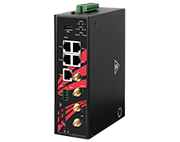
Ethernet Switches for Industrial Network Connectivity and Control
Ethernet switches are essential networking devices that connect multiple industrial devices within a local network, enabling fast and reliable data communication between machines, controllers, and systems. They play a central role in industrial automation by supporting real-time data exchange and system integration.
Core Functionality
Ethernet switches manage and direct network traffic between connected devices:
- Connect PLCs, HMIs, sensors, and control systems
- Enable high-speed data transfer across industrial networks
- Support common industrial protocols such as Modbus TCP and EtherNet/IP
- These capabilities ensure efficient communication across automation systems.
Managed vs. Unmanaged Switches
Industrial Ethernet switches are typically available in two main types. Unmanaged switches provide simple, plug-and-play connectivity with no configuration required. Managed switches offer advanced control features such as VLANs, traffic prioritization (QoS), monitoring, and security settings. Managed switches are commonly used in complex networks where performance, reliability, and security are critical.
Built for Industrial Environments
Industrial Ethernet switches are designed to operate reliably in harsh conditions:
- Wide operating temperature ranges
- Resistance to vibration, dust, and electrical noise
- Rugged enclosures and redundant power options
Flexible Network Integration
Ethernet switches can be easily integrated into broader networking systems:
- Connect with gateways & routers for wide-area communication
- Work alongside media converters and ethernet extenders for expanded network reach
- Support Power over Ethernet (PoE) for devices requiring both data and power
This flexibility allows scalable and efficient network design across industrial applications.
Frequently Asked Questions
What port types are available on Ethernet switches?
Ethernet switches typically include RJ45 copper ports and may also include SFP ports for fiber optic connections. The number and type of ports vary depending on the switch model and application requirements.
What is network redundancy in Ethernet switches?
Network redundancy uses backup communication paths to ensure continuous operation if a network failure occurs. Industrial Ethernet switches may support redundancy protocols that automatically reroute traffic to maintain uptime.
How do I choose the right Ethernet switch for an industrial application?
Choose an Ethernet switch based on network complexity, required features, and environmental conditions. Use unmanaged switches for simple setups and managed switches for advanced control, VLANs, and monitoring. Consider port count and type (RJ45 or SFP), PoE requirements, network speed, and redundancy features. Also ensure the switch is rated for the operating environment, including temperature, vibration, and electrical noise.