
Motors
Industrial Electric Motors for Motion Control and Power Transmission
Electric motors are essential components in industrial automation and power transmission systems. By converting electrical energy into mechanical motion, motors generate the torque and rotational force required to drive machinery, production equipment, and process systems. Electric motors are widely used in applications such as conveyors, pumps, compressors, fans, packaging equipment, robotics, and material handling systems.
Industrial motor selection depends on performance requirements, including speed control range, torque output, duty cycle, environmental conditions, and system integration. Different motor technologies are used to meet these requirements, each offering specific advantages in efficiency, controllability, and mechanical performance.
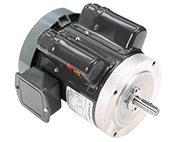
AC motors are among the most commonly used motor types in industrial environments due to their reliability, efficiency, and low maintenance requirements. These motors operate using alternating current and electromagnetic induction to produce rotational motion. AC motors are available in single-phase and three-phase configurations and are widely used in general-purpose automation and process control applications.
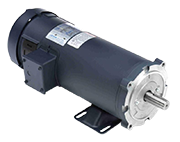
DC motors operate using direct current and allow speed and torque to be controlled through voltage or current regulation. These motors are often used in applications requiring strong starting torque, precise speed regulation, or battery-powered operation.
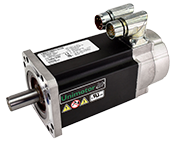
Servo motors are designed for high-precision motion control applications where accurate positioning, speed regulation, and dynamic response are required. Servo motors operate in closed-loop systems using feedback devices such as encoders or resolvers to maintain precise control. These motors are commonly used in robotics, CNC machinery, packaging equipment, and automated production systems.
In addition to motor selection, system performance can be enhanced through the use of motor accessories, including mounting hardware, cooling components, feedback devices, and protective equipment. Proper accessory integration helps improve installation efficiency, increase operational reliability, and extend equipment service life.
Electric motors play a critical role in modern industrial automation by enabling efficient power transmission, supporting variable speed control, and ensuring consistent machine performance across a wide range of applications.
Frequently Asked Questions
What is motor duty cycle and why is it important?
Duty cycle defines how long a motor can operate under load within a given time period. Selecting a motor with the correct duty rating prevents overheating and premature failure.
What is the difference between synchronous and induction motors?
Induction motors operate with rotor slip relative to stator magnetic fields, while synchronous motors run at constant speed synchronized with supply frequency.
What is motor service factor and when is it used?
Service factor indicates the motor's ability to operate above its rated load for short periods. It provides a margin of safety for variable load conditions.