
Gearboxes
Industrial Gearboxes for Speed Reduction and Torque Multiplication
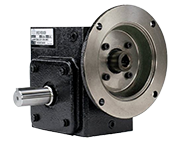
Industrial gearboxes, also known as gear reducers or speed reducers, are mechanical power transmission devices used to modify the speed, torque, and direction of motion between a motor and driven equipment. By using gear trains with specific gear ratios, gearboxes reduce motor output speed while increasing usable torque, allowing smaller motors to drive heavier loads efficiently.
Gearboxes are essential components in automation systems, conveyors, mixers, packaging machinery, material handling equipment, and many other industrial applications. Their ability to convert high-speed motor rotation into controlled low-speed, high-torque output improves system performance, enhances reliability, and supports precise motion control. The relationship between speed reduction and torque increase is determined by the gear ratio, which defines how many input shaft rotations are required to produce one output shaft rotation.
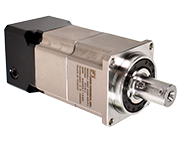
Various gearbox configurations are available to meet specific motion control and power transmission requirements. In high-precision automation systems, stepper and servo gearboxes are commonly used to improve positioning accuracy, increase torque output, and optimize motor performance. These gearboxes are designed for compatibility with motion control systems that require minimal backlash and high dynamic response.
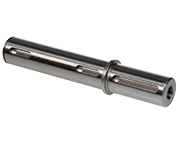
Supporting components such as gearbox accessories play an important role in installation, alignment, lubrication, and maintenance. Accessories may include mounting kits, shaft adapters, seals, and protective components that help extend gearbox service life and improve system integration.
Proper gearbox selection depends on required torque output, gear ratio, input speed, duty cycle, mounting orientation, environmental conditions, and load characteristics. Choosing the correct gearbox ensures efficient power transmission, reduced mechanical stress, and improved operational stability in industrial drive systems.
Frequently Asked Questions
How does gear ratio affect gearbox performance?
Higher gear ratios reduce output speed while proportionally increasing torque, enabling motors to handle heavier loads.
What is backlash in a gearbox?
Backlash is the clearance between mating gear teeth. Low backlash gearboxes are required in precision motion control applications.
What is thermal loading in gearbox operation?
Thermal loading refers to heat generated by friction and mechanical losses. Excessive heat can reduce lubricant effectiveness and shorten gearbox life.