
Braking Resistors
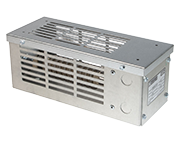
Braking Resistors for Motor Control and Variable Frequency Drives
Braking resistors are electrical components used in motor drive systems to dissipate excess energy generated during motor deceleration. When a motor slows down, especially under high inertia loads, it can act as a generator and feed electrical energy back into the drive system. This regenerative energy increases DC bus voltage in a variable frequency drive (VFD), which can lead to overvoltage faults or damage if not properly controlled.
A braking resistor provides a controlled path to absorb this energy and convert it into heat, helping maintain stable drive operation and enabling faster and more controlled stopping of the motor.
Braking resistors are commonly used with variable frequency drives in applications such as conveyors, cranes, hoists, centrifuges, fans, and automated machinery where rapid deceleration or high stopping torque is required.
Dynamic braking systems typically include a braking transistor or chopper circuit that monitors DC bus voltage. When voltage rises above a specified level, the braking circuit directs current to the resistor, where the excess energy is safely dissipated.
Using braking resistors improves system safety and performance by reducing mechanical wear on friction brakes, preventing drive trips caused by overvoltage conditions, and enabling precise motor speed control during stopping cycles.
Proper braking resistor selection depends on resistance value, power dissipation rating, duty cycle, cooling requirements, and installation environment. Matching the resistor to motor load characteristics and drive specifications ensures reliable braking performance and long-term equipment protection.
Frequently Asked Questions
What happens if a braking resistor is undersized?
An undersized resistor may overheat or fail to dissipate sufficient energy, leading to drive faults or reduced braking performance.
How does regenerative braking differ from dynamic braking?
Regenerative braking returns energy to the power system, while dynamic braking dissipates energy as heat through resistors.
How should braking resistors be installed for safe operation?
They should be mounted in ventilated locations with proper thermal protection and electrical connections according to drive manufacturer guidelines.