
Valves - Hydraulic & Pneumatic
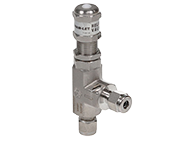
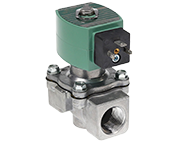
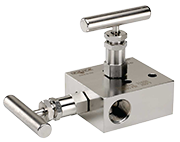
Types of Hydraulic & Pneumatic Valves
Valves are used to control direction, flow, and pressure in hydraulic and pneumatic circuits. Select valve types based on the control function required, system pressure, flow needs, and connection standards used in your equipment.
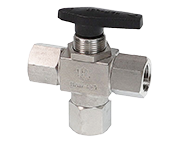
- Ball Valves for on/off isolation with low restriction in many applications.
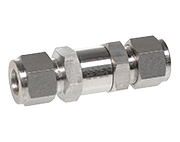
- Check Valves for one-direction flow control to prevent backflow.
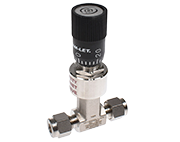
- Metering Valves for adjustable flow control in pneumatic and hydraulic circuits.
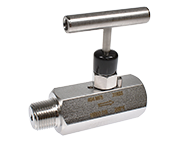
- Needle Valves for fine flow adjustment and precise throttling.
- Relief Valves for pressure protection and system safety.
- Solenoid Valves for electrically actuated control in automation applications.
- Toggle Valves for manual actuation where simple control is needed.
For port and connection components used alongside valves, browse Fittings.
Key Selection Criteria for Hydraulic & Pneumatic Valves
- Valve function: isolation, check (one-way), metering/throttling, pressure relief, or electrically actuated control.
- Pressure rating and temperature requirements for the system.
- Flow requirements and pressure drop considerations.
- Connection requirements: port type, thread standard, and sealing method.
- Actuation method: manual, solenoid, or other control requirements for the application.
- Environment: contamination, corrosion exposure, vibration, and installation access.
Matching valve function and ratings to the system requirements helps improve repeatability and reduces troubleshooting time.
Frequently Asked Questions
How do I choose the right valve type for my application?
Start with the required function: on/off isolation (ball), one-way flow (check), adjustable flow (metering/needle), pressure protection (relief), or electrically actuated control (solenoid). Then confirm ratings and connection compatibility.
What should I confirm for valve pressure and flow requirements?
Confirm maximum working pressure, expected flow rate, and acceptable pressure drop. Then match valve size and type to the circuit requirements and media.
What connection details should I verify before ordering a valve?
Verify port size, thread standard, sealing method, and installation clearance so the valve fits the system and maintains leak-resistant performance.