
Purge & Pressurization System
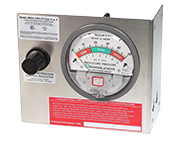
Purge and Pressurization Systems for Enclosures
Purge and pressurization systems protect electrical enclosures and control panels in environments where dust, gases, vapors, or other contaminants pose a risk to internal components. These systems maintain a controlled positive pressure inside the enclosure, preventing hazardous or corrosive substances from entering and compromising equipment performance.
Purge systems work by displacing contaminated air with clean, dry air before energizing equipment in a hazardous area. Pressurization systems continuously supply filtered air to maintain a slight positive pressure, ensuring that external contaminants cannot enter the enclosure through seams, openings, or imperfect seals.
In many installations, purge and pressurization systems are used in conjunction with other environmental control devices to create a complete climate control strategy. For example, systems that manage temperature and moisture may include enclosure heaters or hygrostats to reduce condensation, and fans or air conditioners to manage heat load.
Purge and pressurization systems are particularly valuable in classified or hazardous location enclosures where strict compliance with safety standards is required. By maintaining a controlled internal atmosphere, these systems help extend equipment life, reduce maintenance issues, and support reliable operation in demanding environments.
Frequently Asked Questions
Do purge and pressurization systems help with regulatory compliance?
Purge and pressurization systems are commonly used to support compliance with hazardous location standards by allowing standard electrical equipment to be safely operated in classified environments. Proper installation and monitoring are essential to meet applicable safety requirements.
Do purge and pressurization systems reduce enclosure cooling requirements?
Purge and pressurization systems are not primarily designed for cooling, but the continuous airflow can assist with heat removal. In many applications, they are used alongside air conditioners or heat exchangers to manage heat loads more effectively.
What happens if enclosure pressure is lost during operation?
If positive pressure is lost, many purge and pressurization systems trigger alarms or safety interlocks that de-energize equipment. This prevents operation in unsafe conditions and helps maintain compliance with hazardous location safety requirements.