
Panel & Computer Interface Cables
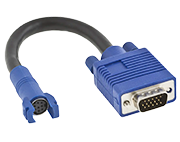
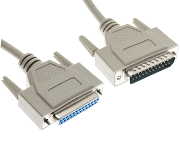
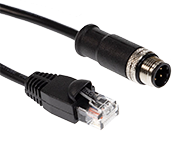
Panel computer interface cables are specialized communication cables used to connect industrial computers, control panels, displays, and peripheral devices. These cables enable reliable transmission of data, audio, video, and network signals between system components, ensuring proper communication in automation and industrial control environments. Computer interface cables carry digital signals, enabling devices such as monitors, controllers, and network equipment to exchange information and operate efficiently.
In industrial systems, panel interface cables connect HMIs, PLCs, industrial PCs, and networking hardware. They support essential communication functions, including Ethernet networking, serial communication, video display transmission, and device control. Reliable communication cables are critical because industrial automation depends on physical connections to transmit control signals and data between field devices and control systems.
These cables are commonly grouped into specialized categories depending on signal type and application requirements:
used to transmit visual and audio signals between industrial displays, panel computers, and monitoring equipment
data cables used for serial communication, USB, and other digital interfaces between devices
network cables used for Ethernet communication between computers, switches, and industrial network infrastructure
Together, these cable types ensure reliable communication between components and support proper operation of industrial control and automation systems.
How to Choose the Right Interface Cable
Selecting the correct panel computer interface cable depends on communication requirements, equipment compatibility, and environmental conditions. Important considerations include:
- Connector type and compatibility with panel computers and peripheral devices
- Communication protocol requirements such as Ethernet, serial, USB, or video
- Cable shielding and construction for industrial noise and interference protection
- Cable length requirements and routing environment
- Data transmission speed and bandwidth requirements
Choosing cables designed for industrial use helps ensure consistent signal integrity, reliable communication, and long-term performance in control panels and automation systems.