
Cordsets
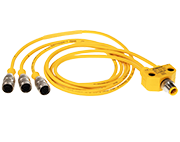
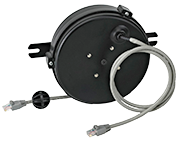
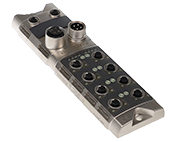
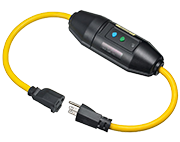
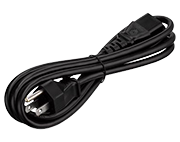
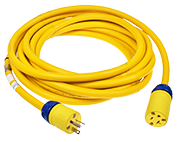
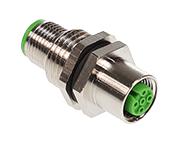
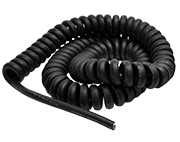
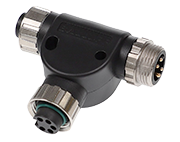
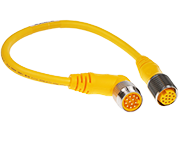
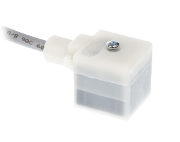
Electrical cables and cords are assemblies of one or more wires bundled together, used to connect two or more devices and transfer electrical signals or power between them.
Cables are used in a wide variety of applications, and most are tailored for a specific purpose. Cordsets include both the cable and the electrical connectors attached at each end. For power cords and extension cords, one end has a male connector for connecting to a power source, and the other end has a female connector for attaching to the equipment.
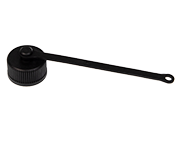
Other cordsets include Ethernet cords with matching modular connectors at each end, and computer and interface cables with single-purpose connectors like VGA or PIC that transfer specific signals. Accessories include adapters, junction blocks, extension reels, and field wiring kits.
How Cordsets Improve Installation and Maintenance
Preterminated cordsets reduce the need for field wiring and on-site termination. This enhances installation efficiency and accuracy, and also enables quicker replacements during maintenance or equipment updates changeovers.
Cordsets also help limit wiring faults associated with improper termination, reduce the need for on-site skilled crimping tools, and provide consistent electrical and mechanical performance across repeated installations.
How to Select the Right Cordset for Your Application
Selecting the correct cordset begins with identifying the connector interfaces required at each end of the assembly. Match the connector type, gender, and keying with the device or equipment being connected.
Next, choose a cable type that meets the electrical and environmental requirements of the application. Consider voltage rating, conductor gauge, data transmission requirements, shielding for noise rejection, and environmental sealing if exposed to moisture or contaminants.
Also review industrial standards and ratings such as IEC, IP ingress protection and industry-specific protocols that may apply. Choosing cordsets that meet relevant standards helps ensure long-term reliability and interoperability in demanding industrial settings.
Finally, ensure that the cordset length and routing path match the physical layout of the installation to avoid excessive slack or strain on connections.
Frequently Asked Questions
What connector interfaces should I verify before ordering a cordset?
Before ordering, verify connector type, gender, keying, and pin count to ensure compatibility with the equipment or devices you intend to connect.
Are cordsets rated for continuous flexing?
Some cordsets are designed for dynamic applications where cables are repeatedly flexed, such as moving machinery or robotics. These cordsets use flexible conductors and jackets specifically rated for continuous motion.
What does mating cycle rating mean for cordsets?
Mating cycle rating defines how many connection and disconnection cycles a cordset connector can withstand before electrical or mechanical performance degrades. Higher mating cycle ratings are important in applications requiring frequent equipment changes or maintenance.