
Conduit
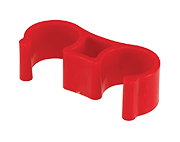
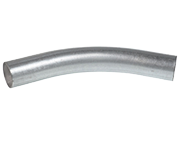
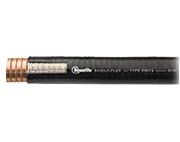
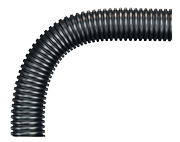
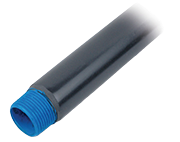
Conduit
An electrical conduit is a tube used to protect and route wires and cables in buildings, structures, or cabinets. A variety of materials and designs are used to make conduits, each determined by application requirements.
Conduit is typically made of metal or plastic and is generally rigid. Conduit provides excellent protection for enclosed wires and cables against impact, moisture, and other hazardous materials in both interior and exterior environments. Conduits can also be made to be submersible or wrapped or coated with materials to shield conductors from electromagnetic or radio frequency interference.
Because most conduit is rigid, special fittings - elbows, bends, etc. - are needed to guide cabling around corners or other specific directions. If permitted by electrical codes, a flexible conduit is available to isolate wiring from vibrations or simplify the number of fittings needed to wire a structure or facility.
How to Choose the Right Conduit for Your Installation
Conduit selection should begin with the level of mechanical protection required. Rigid conduit is typically used where wiring is exposed to impact or abrasion, while flexible conduit is better suited for areas with vibration or movement.
Environmental factors such as moisture, chemicals, and temperature should guide material choice. Metal conduit is often selected for strength and grounding continuity, while non-metallic conduit is commonly used in corrosive or moisture-prone environments.
Conduit size must accommodate the number and diameter of conductors to reduce heat buildup and support easier installation and future changes. Routing constraints, enclosure entry points, and fitting compatibility should also be considered to maintain secure and reliable cable protection.
Selecting conduit that meets applicable electrical codes and installation standards supports safe operation and long-term system reliability.
Frequently Asked Questions
How does conduit material affect grounding and bonding?
Metal conduit can serve as an equipment grounding path when installed correctly and bonded at all connection points. Non-metallic conduit does not provide grounding and requires a separate grounding conductor to be installed within the raceway.
When should liquid-tight conduit be used?
Liquid-tight conduit is used in environments where wiring is exposed to moisture, oils, or washdown conditions. It provides a sealed pathway that protects conductors from fluid intrusion and environmental contamination.
What is the difference between raceway systems and conduit?
Conduit is a type of raceway system designed to fully enclose conductors within a tubular structure. Raceway systems may also include surface-mounted channels or wireways that provide enclosed or partially enclosed cable routing.