
Fuses
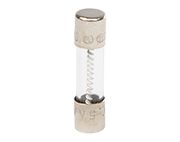
Industrial Fuses for Reliable Overcurrent Protection
Fuses are overcurrent protection devices designed to interrupt electrical circuits when current exceeds safe limits. By melting a calibrated internal element, a fuse opens the circuit quickly and prevents damage to wiring, equipment, and connected loads.
In industrial and commercial systems, fuses are valued for their fast response, predictable performance, and ability to limit fault current. They play a critical role in protecting motors, control circuits, power distribution equipment, and sensitive electronics from overloads and short circuits.
Common Types of Industrial Fuses
Industrial applications rely on several fuse types, each optimized for specific protection needs:
- Fast-acting fuses that open quickly to protect sensitive electronic components.
- Time-delay (slow-blow) fuses designed to tolerate short inrush currents while still protecting against sustained overloads.
- Current-limiting fuses that restrict the peak fault current, reducing thermal and mechanical stress on equipment.
- Class-rated fuses (such as Class CC, J, RK1, RK5, L, and midget) engineered for standardized performance and coordination.
- High-voltage fuses used in medium-voltage or specialized industrial systems.
Each type provides a different balance of speed, selectivity, and fault-current limitation
Key Factors When Selecting a Fuse
Selecting the proper fuse requires evaluating both electrical and application-specific factors:
- Voltage rating that meets or exceeds system voltage.
- Current rating matched to the protected circuit and load.
- Interrupting capacity sufficient for the available fault current.
- Time-current characteristics (fast-acting vs time-delay).
- Fuse class and physical size to ensure compatibility with holders or fuse blocks.
- Application type, such as motor circuits, control panels, or power distribution.
- Coordination with upstream and downstream protection devices.
Correct fuse selection ensures reliable protection, minimizes nuisance operation, and supports safe maintenance practices.
Frequently Asked Questions
What is the difference between fast-acting and time-delay fuses?
Fast-acting fuses open quickly when overcurrent occurs and are commonly used to protect sensitive electronics. Time-delay fuses allow short-duration inrush currents, such as those from motors or transformers, while still protecting against sustained overloads.
How do I choose the correct fuse rating?
The fuse's current rating should match the circuit's normal operating current while allowing expected inrush conditions. The voltage rating must meet or exceed the system voltage, and the interrupting capacity must be sufficient for the maximum available fault current at the installation point.
Are fuses reusable after they operate?
No. Once a fuse opens due to an overcurrent condition, it must be replaced. Always investigate the cause of the fault before installing a new fuse to prevent repeat failures.