
Circuit Breakers
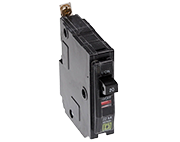
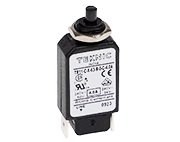
Protecting Electrical Systems from Overload & Short-Circuit Faults
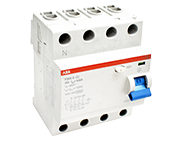
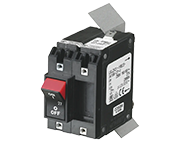
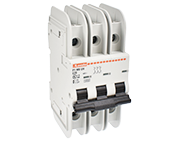
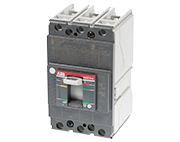
Circuit breakers are electromechanical devices designed to automatically interrupt power when an electrical circuit experiences an overload or short circuit. By detecting current exceeding safe limits, they protect equipment, wiring, and personnel from damage and reduce fire risk.
Unlike fuses that must be replaced after operation, circuit breakers can be reset, enabling faster restoration of service after a fault. Circuit breakers play a central role in electrical distribution, safety compliance, and reliable operation across industrial and commercial systems.
Types of Circuit Breakers
Industrial environments demand a range of circuit breaker technologies tailored to different applications:
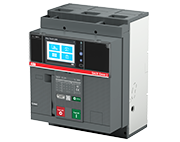
- Molded Case Circuit Breakers (MCCBs) - Robust breakers with adjustable trip settings for higher-current applications and service entrance protection.
- Miniature Circuit Breakers (MCBs) - Compact breakers ideal for branch circuits, common in control panels and light industrial use.
- Thermal Magnetic Breakers - Combine thermal (overload) and magnetic (short-circuit) trip elements for versatile protection.
- Adjustable Trip Breakers - Allow precise setting of trip characteristics to suit specific load requirements.
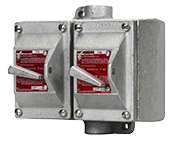
- Specialty Breakers - Designed for harsh environments, high inrush loads, or coordination with downstream protection.
These breaker types form the foundation of scalable electrical protection strategies that match system size and operational demands.
Choosing the Right Circuit Breaker
Selecting the correct circuit breaker depends on key criteria:
- Current rating - match the continuous operating current of the circuit.
- Interrupting capacity - the maximum fault current the breaker can safely interrupt.
- Trip characteristics - impact how quickly the breaker responds to overloads vs short circuits.
- Application environment - industrial vs commercial, temperature, vibration, and enclosure considerations.
- Coordination with upstream/downstream devices - ensures selective tripping and minimizes unintended service disruption.
Selecting appropriately sized and rated breakers enhances safety, extends equipment life, and aligns with regulatory requirements.
Frequently Asked Questions
How do I determine the interrupting rating needed?
The interrupting rating (or breaking capacity) should meet or exceed the maximum possible fault current at the breaker's installation point. Consult utility data, system studies, or an electrical engineer to confirm the available fault current and ensure safe protective coordination.
How often should circuit breakers be tested?
Routine inspection and mechanical operation testing should be part of preventive maintenance. Test intervals depend on operating conditions, manufacturer recommendations, and regulatory standards; critical circuits often require annual or semiannual checks.