
Valves
Industrial Valves for Automated Process Control
Valves are mechanical devices that regulate the flow of liquids or gases by opening, closing, or throttling a passage. In automation and control systems, they are used for on/off isolation, flow control, diverting or mixing streams, and providing safety shutoff in process and utility lines.
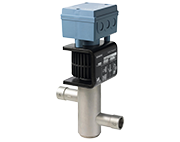
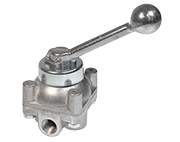
Industrial valves are operated manually or by separate actuators to handle general process, utility, and equipment-isolation duties. Electronically operated valves use solenoids or other actuators to open or close in response to electrical signals from PLCs, timers or control systems, making them well suited for automated filling, dosing, purge, purge-air, and general on/off control. In many installations, these valves are integrated with pneumatic or electric actuators, position feedback devices, and pilot valves to create complete control assemblies.
Frequently Asked Questions
What factors determine which type of valve I should use?
The choice depends on the fluid type, pressure rating, temperature, required shutoff quality, and whether the application needs on and off control or flow modulation. Material compatibility and pipe size also influence the selection.
Can industrial valves handle both low and high pressure systems?
Yes, as long as the valve's pressure rating matches the system pressure. Valve bodies and seals must be chosen to withstand the operating conditions without deforming or leaking.
How do I know if a valve is rated for corrosive fluids?
Manufacturers specify material compatibility, including body, seat, and seal materials. Stainless steel, brass, special alloys, or coated internal surfaces are often used when handling corrosive media.
Do valves require routine maintenance?
Some valves require periodic inspection to check for seat wear, buildup, or seal degradation. Maintenance frequency depends on the fluid characteristics, cycling rate, and operating environment.