
Starters
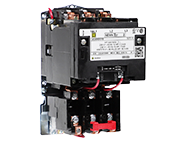
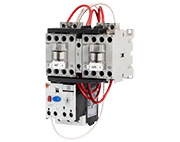
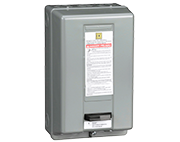
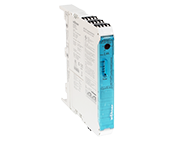
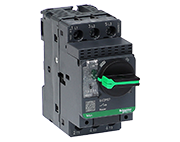
Starters for Industrial Motor Applications
Starters are motor-control assemblies that provide safe starting and stopping of AC motors while coordinating electrical protection. A starter typically combines a contactor with an overload relay and, in many cases, additional control or protection functions in one package. In automation and control systems, starters are used for pumps, fans, conveyors, compressors, and other motor loads where simple, reliable on/off control is required.
AC non-reversing starters provide straightforward start/stop control in one direction, while AC reversing starters add forward and reverse operation. Definite purpose starters are optimized for HVAC and other dedicated applications, and electronic starters integrate solid-state control to reduce inrush current and mechanical stress. Manual motor starters offer compact, front-panel operated control and protection for smaller motors.
Frequently Asked Questions
Can a starter improve motor lifespan?
Yes. By providing controlled starting, proper overload protection, and swift response to fault conditions, starters reduce electrical and mechanical stress on motors. This helps prevent premature wear and extends motor life.
How do I know if my application needs a reversing starter?
A reversing starter is used when the motor must run in both forward and reverse directions. These starters use two contactors with interlocking controls to safely reverse the motor rotation. Applications include conveyors, hoists, and machinery that must change direction.
What happens if a starter is oversized for the motor?
An oversized starter may not provide accurate overload protection because the protection range may not align with the motor’s full load current. This can leave the motor vulnerable to overheating or damage under fault conditions.
Do motor starters need ventilation or cooling?
Some starters generate heat during operation, especially when installed in compact enclosures. Proper ventilation, cooling, or spacing helps maintain safe operating temperatures and prolongs equipment life. Manufacturer guidelines should always be followed.
Are starters required for every three-phase motor?
Most three-phase motors require a starter to provide safe control, overload protection, and coordinated operation with other equipment. Small motors in very simple applications may use alternative control methods, but starters are standard in industrial environments.