
Process Control
Valves, Actuators and Feedback Devices in Process Control Systems
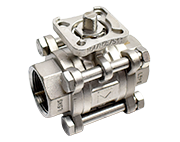
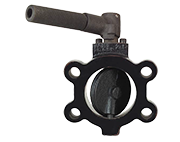
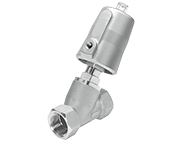
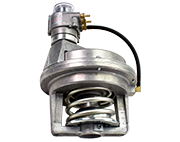
Process Control components are the mechanical and electromechanical devices that physically regulate process media in industrial systems. Ball valves, butterfly valves and media valves start, stop and throttle the flow of liquids or gases, while pneumatic actuators provide the force to move valve stems or discs in response to control signals.
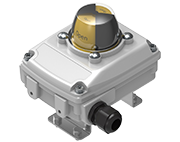
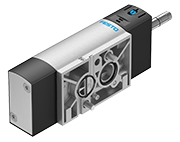
In an automation and control system, these components work together with sensors and controllers to maintain process variables such as flow, pressure, and level. Solenoid pilot valves switch compressed air to pneumatic actuators, and sensor boxes provide position feedback so operators and controllers know whether a valve is open or closed. This combination of valves, actuators, and feedback devices allows processes to be controlled safely, repeatably, and with minimal manual intervention.
Galco's process control offering includes ball, butterfly, and media valves, pneumatic actuators, sensor boxes, and solenoid pilot valves so designers and maintenance teams can match connection type, materials, pressure rating, and actuation method to each application.
Frequently Asked Questions
Can process control valves handle both liquids and gases?
Yes. Many industrial valves can control liquids, gases, and steam. It is important to verify material compatibility, pressure rating, and sealing type for the specific fluid and operating conditions.
Do control valves need regular maintenance?
Most valves require periodic inspection for seal wear, buildup on internal surfaces, and correct actuator operation. Maintenance frequency depends on the fluid, cycling frequency, and operating environment.
How do I know if I need a two-way or three-way valve?
Two-way valves control flow on a single line and are used for on-off or throttling control. Three-way valves can divert flow between two outlets or mix two flows into one stream. The appropriate choice depends on the system’s flow path requirements.
Are stainless steel valves always the best choice for harsh environments?
Stainless steel performs well in many corrosive environments, but certain chemicals require specialized alloys or polymers. Material selection should be based on fluid compatibility charts and the operating temperature and pressure.